

Design challenges often present themselves in various forms, from small spaces that feel cramped and limiting to layouts that defy conventional arrangement. Add to that the perpetual struggle of limited storage, and it’s easy to feel overwhelmed. However, fear not! With a little creativity and strategic thinking, these common design hurdles can be overcome.
In this guide, we will explore a range of tips and tricks to help you tackle these challenges head-on, transforming your space into a functional and visually appealing haven. Whether you’re dealing with a cozy apartment, an awkward room layout, or a shortage of storage options, get ready to discover practical solutions that will make a significant difference.
Say goodbye to frustration and hello to innovative design strategies that will maximize your space’s potential and leave you feeling inspired. Let’s dive in and unlock the secrets to conquering common design challenges like small spaces, awkward layouts, and limited storage.
Maximize vertical space: Utilize wall-mounted shelves, cabinets, and hooks to make the most of vertical space and keep the floor area clear.

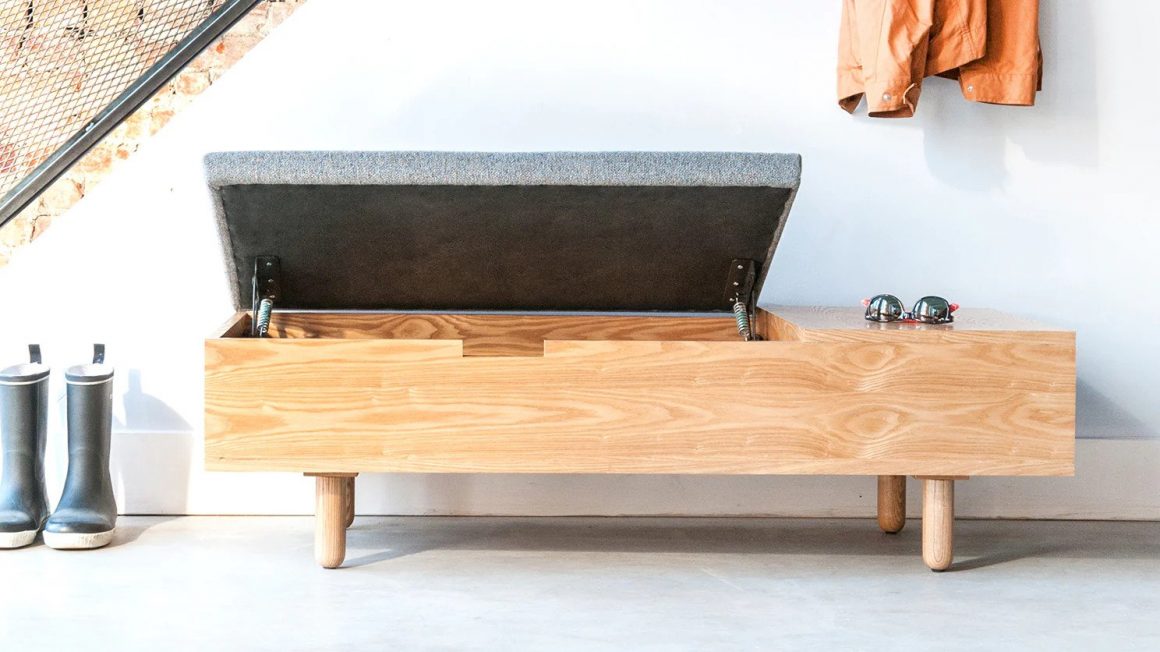
Choose multifunctional furniture: Opt for furniture pieces that serve multiple purposes, such as storage ottomans, sofa beds, or coffee tables with built-in storage compartments.
Use light colors and mirrors: Lighter colors on walls and furniture can create an illusion of space, while strategically placed mirrors can reflect light and make the room appear larger.
Create visual flow: Arrange furniture and décor in a way that promotes a smooth flow of movement and avoids blocking pathways. Consider open floor plans or using furniture with exposed legs to create an airy feel.

Embrace smart storage solutions: Look for innovative storage solutions, such as under-bed storage containers, hanging organizers, or wall-mounted shelving systems, to maximize storage without sacrificing floor space.
Think outside the box: Explore unconventional storage options like utilizing the space under stairs or incorporating hidden storage compartments within furniture pieces.

Use light and transparent materials: Opt for furniture and décor made from light and transparent materials like glass, acrylic, or lucite to maintain a sense of openness and visual lightness.
Incorporate built-in solutions: If possible, consider custom-built storage solutions tailored to the specific layout and needs of the space. Built-in shelves, cabinets, and wardrobes can optimize storage without occupying additional floor space.

Prioritize organization: Keep things organized and clutter-free by regularly decluttering and implementing efficient organizing systems. Utilize storage baskets, dividers, and labels to keep items easily accessible and in their designated places.


